The month of January is the time of transition in Pagan traditions, focusing on winter and the promise of returning light. Only a few of the holidays celebrated by Pagans are listed below, and there are many more that are still celebrated today in the modern world.
Kalends Of January
The Kalends of January, celebrated on Jan. 1, is a significant Roman New Year festival that many modern Pagans and Wiccans still celebrate to this day. This festival is marked by feasting, gift-giving, and processions honoring Janus, the God of Beginnings, and Jupiter, King of the Gods.
Honoring Janus is one of the main aspects of the Kalends of January, for the reason that January is the New Year for the Roman calendar, and Janus is the God of Beginnings.
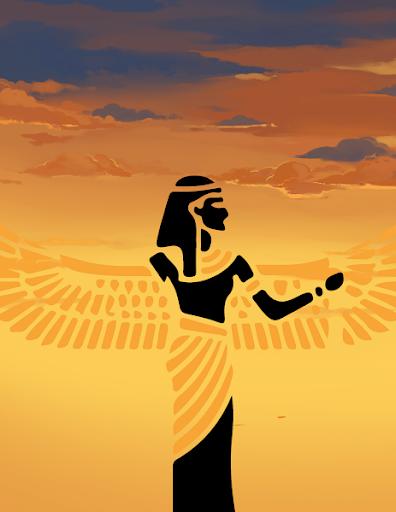
Festival Of Isis
While many major ancient festivals for the Egyptian goddess Isis often fell in early spring, January held significance as the time when the Star of Isis (Sirius) reached its highest point (midheaven) in the northern hemisphere, marking a spiritual New Year and new beginnings for devotees.
There are rituals often focusing on light, renewal, and the goddesses’ connection to the cosmos and rebirth. Today, many Pagans, mostly devotees of Isis, still celebrate this significant festival.
Hekate’s Feast
Modern, as well as ancient, Pagans, mostly devotees of the Goddess of Witchcraft, Crossroads, and Ghosts, celebrate the feast of Hekate usually on Aug. 13. However, in the month of January, devotees honor her on the 31st. These celebrations of Hekate often include leaving offerings of garlic, milk, honey, eggs, etc. on her altar or at crossroads.
Hekate has been an important deity of ancient and modern witchcraft since the beginning of Ancient Greece as a whole. There are only theories of her beginnings, but all agree that she has significant authority in witchcraft.
Day Of Danu
The Day of Danu has become a popular modern Pagan celebration honoring the Celtic mother goddess, Danu. Often celebrated on Jan. 18 or 19, this is a time to reconnect with the Earth during winter’s quiet.
This day recognizes Danu as the “All Mother,” a goddess of abundance, inspiration, and the source of the Irish Tuatha Dé Danann, with connections to rivers and the fae.
Imbolc
While typically celebrated on Feb. 1 and 2, some Pagans also celebrate Imbolc on the last day of January as well. Imbolc is a Celtic festival that marks the halfway point between the Winter Solstice and the Spring Equinox, celebrating the first stirrings of spring and new life.
Things modern Pagans do during Imbolc include cleaning their homes, taking walks outside, lighting candles, and doing crafts.