Christmas may be America’s thing, but there are so many lesser known holidays and celebrations across Earth that not many know about. In fact, the Christmas tree actually came from Germany’s influence. Here are various winter traditions that you probably don’t know.
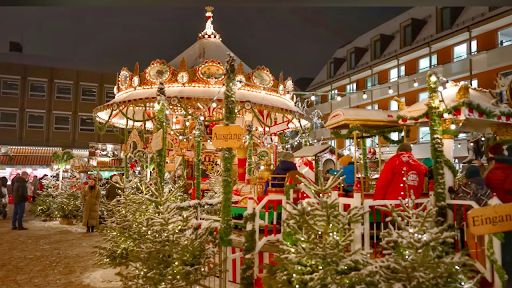
Starting with Europe, Germany celebrates St. Nicholas Day on Dec. 6th, and one of their most famous traditions, Weihnachtsmärkte (Christmas markets). German town squares are festively decorated, with many small shops selling holiday goods. Many markets sell warm, spiced wine with decorative mugs, gingerbread cookies, and crafts like toys, nutcrackers, and ornaments. In Iceland, folklore has 13 “Yule Lads”, the tradition lasting between Dec. 12-24. The routine is that children will leave their shoes out and each Yule Lad will leave gifts or rotten potatoes, depending on behavior and which Yule Lad. Each has different personalities as well. Spain celebrates Three Kings’ Day, also known as Día de los Reyes. This includes parades featuring the Three Kings who toss candy to children, and gifts opened on Jan. 6, not on Christmas Day.
In Asia, China celebrates their annual Dongzhi Festival, also known as the Winter Solstice. It is the ancient celebration of the longest night of the year, where families eat dumplings, sweet rice balls, and honor their ancestors with offerings. In South Korea, Seollal is celebrated in late January and February, also known as Lunar New Year. Traditions include Charye, which is a ritual where families honor ancestors with a huge food table, Hanbok, traditional Korean clothing worn for important ceremonies, and Tteokguk, a rice cake soup that symbolizes the new year. And in Japan, the most important holiday season is celebrated between Dec. 31 and Jan. 3, Ōmisoka and Shōgatsu (New Year). Traditions include deep house cleaning to recognize the new year, and a new start, the infamous long noodles called Toshikoshi Soba, and ringing the temple bells 108 times to extinguish human sins.
In Africa, Morocco celebrates Yennayer (Amazigh/Berber New Year), which marks the agricultural calendar’s new year. People celebrate by wearing traditional Amazigh clothing, partake in community dancing, eat special dishes like couscous with seven different vegetables, and group poetry sharing. In Ethiopia, many celebrate Genna, which is technically Ethiopian Christmas. Lots of people wear white, cotton clothing named “shamma”, and join in on church services before dawn. They celebrate with an annual hockey-like game called Genna.
These are only what some countries celebrate, but there are various others that celebrate different things that may surprise you at first. It all ties together with different cultures and is very interesting to learn about. People living in these countries probably think our traditions are strange, too.